

1. LED Treatments:
LED (Light Emitting Diode) therapy employs different wavelengths of light to target specific skin concerns, including pigmentation. The treatment stimulates cellular activity, promotes collagen production, and reduces melanin production, resulting in a more even skin tone. LED treatments are non-invasive, painless, and require no downtime, making them a popular choice among individuals with pigmentation issues.
2. TCA Peels:
Trichloroacetic Acid (TCA) peels are chemical peels that penetrate the skin's surface to exfoliate and promote cellular turnover. TCA peels effectively target pigmentation by removing the damaged outer layer of the skin, revealing fresh, rejuvenated skin underneath. These peels can be customised in strength, allowing dermatologists to tailor the treatment to individual needs. When combined with other therapies, TCA peels enhance the efficacy of subsequent treatments by preparing the skin for better absorption.
3. Micro Needling:
Micro needling, also known as collagen induction therapy, involves the use of tiny, sterile needles to create micro-channels in the skin. This process stimulates collagen and elastin production while allowing for the better penetration of topical products. When addressing pigmentation concerns, micro needling can enhance the effects of other treatments by improving the absorption of lightening agents and facilitating their delivery into the deeper layers of the skin.
4. ND YAG Q-Switch Lasers:
ND YAG Q-switch lasers are advanced laser devices that emit short pulses of high-intensity light. These lasers target pigmented lesions and break down melanin particles, effectively reducing pigmentation without damaging the surrounding skin. Q-switch lasers are particularly effective in treating stubborn pigmentation issues, such as melasma and tattoo removal. When combined with other treatments, ND YAG Q-switch lasers offer comprehensive and long-lasting results.
By combining several of these treatments, patients can experience several benefits:
- Enhanced efficacy: Each treatment modality targets pigmentation from a different angle, amplifying the overall effectiveness of the therapy.
- Synergistic effects: Combining LED treatments, TCA peels, micro needling, and ND YAG Q-switch lasers can create a synergistic effect, yielding more significant improvements in skin tone and texture.
- Comprehensive approach: Pigmentation concerns can have various underlying causes. A combination treatment approach allows for a comprehensive solution that addresses multiple factors contributing to the pigmentation issue.
- Customisation: Skin experts can tailor the combination treatment to the patient's unique needs, ensuring a personalised approach that maximises results.
- Long-lasting results: By addressing pigmentation at different levels of the skin and stimulating collagen production, combination treatments often lead to longer-lasting results compared to individual therapies.
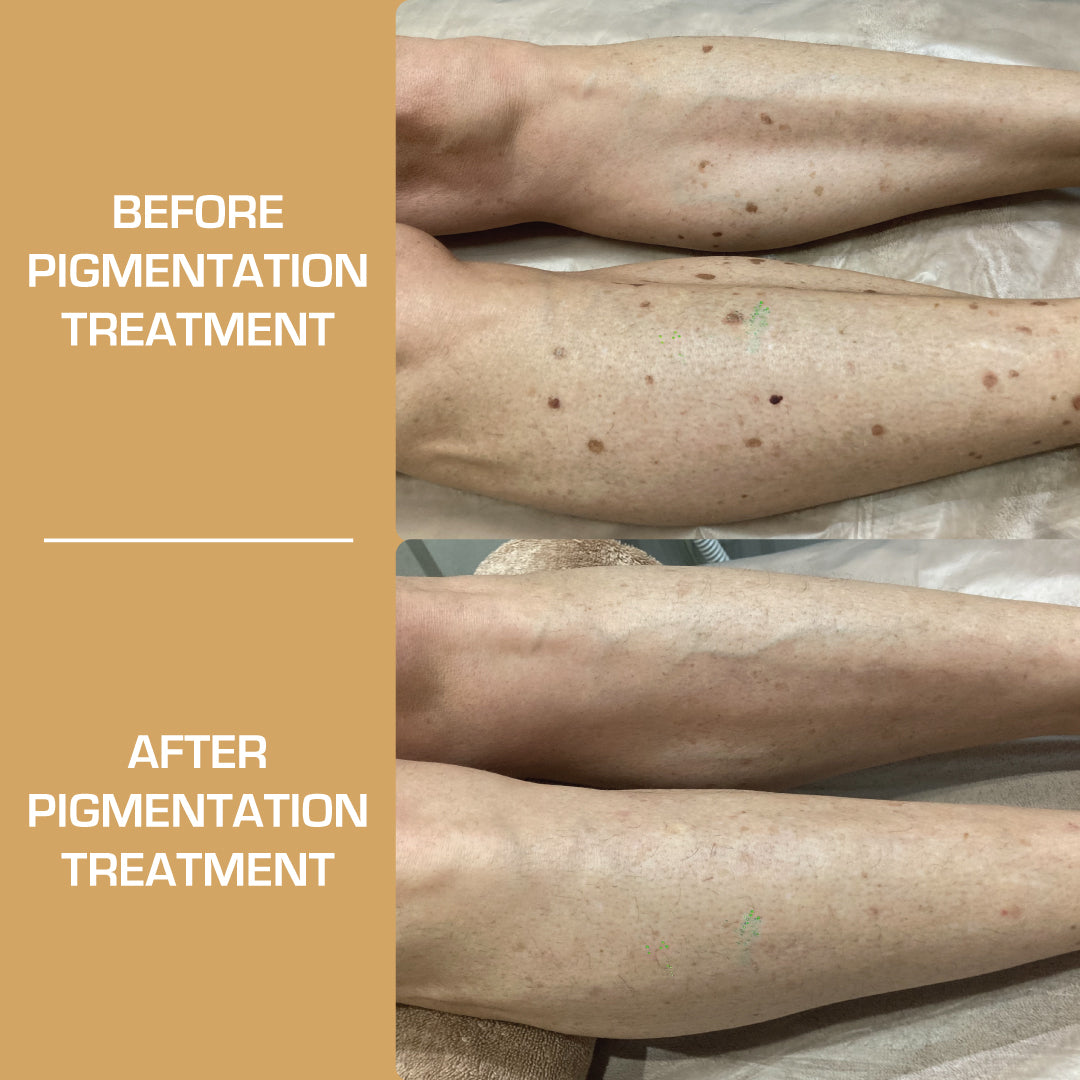
When it comes to combating pigmentation concerns, a combination treatment approach offers the best chance of achieving optimal results. By harnessing the power of LED treatments, TCA peels, micro needling, and ND YAG Q-switch lasers, individuals can effectively address pigmentation at various levels, resulting in a more even and radiant complexion. With its synergistic effects and ability to target multiple factors contributing to pigmentation issues, combination therapy represents a comprehensive and personalised solution for individuals seeking to achieve an improved skin appearance.
Tailored Solutions for Pigmentation: How Deluxe Treatments Can Personalise Your Skincare Journey
Related Posts

The Festive Nail Edit: Christmas and Party Nail Designs for 2026
December in South Africa is a strange season for nails. It is the height of summer, everyone is either at the coast or at a function, and the two things you want from a manicure are that it photographs well and that it survives three weeks of sunscreen, seawater and dishwashing. This is the edit: the festive designs worth booking for 2026, what each one costs you in wear time, and which of them actually work on a short nail. The 2026 festive palette The direction this year is richer and darker than the last few seasons. The pastel and milky nude wave has not gone anywhere, but the party end of the spectrum has moved decisively towards jewel tones and dimensional finishes. Jewel tones. Ruby, garnet, emerald and sapphire, all in a high gloss finish rather than a matte one. Velvet and magnetic finishes. A soft, brushed, cat-eye effect that shifts in the light. Espresso, deep plum, olive and bronze are the shades doing the most work. Dark metallics. Gunmetal and antique bronze in place of the usual silver and gold. Chrome and glazed. Still the most requested finish in the salon, and still the most flattering on a short nail. Milky nude and BB cream nails. The quiet option, and the one that goes with every outfit in the suitcase. Classic red, done properly Red is the festive default and it is a default for a reason, but "red" covers a lot of ground and the wrong one will fight with your skin rather than flatter it. Cool, blue based reds sit beautifully on fair to medium skin with pink undertones. Warm, orange based reds and brick shades are more forgiving on olive and deeper skin tones. Deep cherry and burgundy work on almost everyone and read as more expensive than a bright pillar box red, which is why they dominate the party season. If you want one red that does everything from an office lunch to New Year's Eve, take a deep cherry in a high gloss gel. A classy red on short nails is the single most useful festive manicure there is. Chrome, glazed and velvet finishes Chrome is applied as a fine powder buffed over a cured gel base and sealed, which is why it holds its mirror finish rather than dulling after a few days. It comes in every direction from a soft pearly glaze over a nude base through to a full mirror silver. For the festive season, the two versions worth asking for are a warm champagne chrome over a nude base, which is subtle enough for daytime and catches the light beautifully at night, and a proper mirror chrome in gunmetal or bronze if you want the nails to be the outfit. Velvet is the newer arrival. A magnetic pigment is drawn into a soft brushed pattern with a magnet while the gel is still wet, giving a finish that looks like brushed fabric and shifts as your hand moves. In a deep emerald or a plum it is the most festive finish available that is not glitter. Festive French tips The French tip has been steadily reworked for three seasons and the festive versions are the most fun of the lot. Rather than the traditional white edge, ask for: A red or cherry tip on a clear or milky base. Clean, graphic and considerably easier to wear than a full red. A chrome tip, in champagne or silver, on a nude base. A micro French, where the tip line is drawn very fine. This is the version that suits short nails best. A double French, with a thin metallic line under a colour tip. The advantage of any French over a solid colour is regrowth. As the nail grows out the design stays balanced, so you buy yourself an extra week before it starts to look untidy. Nude and minimal, for people who do not want festive nails Not everyone wants to arrive at a work function with emerald chrome talons. The quiet version of the festive manicure is a milky, slightly sheer nude, sometimes called a BB cream nail, buffed to a high gloss. It suits every skin tone, it goes with everything, and because the colour is so close to the natural nail the regrowth is nearly invisible. If you want one manicure to carry you through December without a refill, this is it. Add a single accent nail in chrome or a fine metallic line if you want a small nod to the season. Green, gold and the traditional palette Traditional Christmas green and gold has grown up considerably. The version that works now is a deep forest or emerald in a glossy gel, with either a single gold chrome accent nail or a very fine gold line at the cuticle rather than a full glitter tip. What to avoid is the literal interpretation. Snowflakes, holly and Christmas tree art photograph badly at close range and date immediately. If you want a motif, keep it to one nail and keep it abstract. Short nails and gel overlay: what actually works Most people asking for festive nails are working with a short natural nail, and a good deal of the inspiration online is photographed on extensions. These are the designs that translate: Solid deep colours. A short nail in cherry or emerald looks intentional and expensive. Chrome and glazed finishes. Arguably better on short nails, because the light catches a smaller, flatter surface more cleanly. Micro French tips. The fine line keeps the nail bed looking long. Single accent nails. One detail rather than ten. What does not translate is detailed nail art, ombre across the full nail, and anything relying on length for its shape. If you want the longer look for a specific event, a gel overlay adds strength to your own nail without extension, and acrylic extensions add the length. Glitter, and how to take it off without wrecking your nail Glitter gel is the most requested festive finish and the most damaging one, not because of the glitter but because of how people remove it. Glitter gel is dense, it resists acetone, and picking or peeling it takes layers of your natural nail with it. Two ways to avoid the damage. Either keep glitter to one or two accent nails so the removal is quick, or book a professional soak off rather than doing it at home. If you are going to remove it yourself, file the top coat off first so the acetone can get in, wrap each nail, and give it a full fifteen minutes before you touch anything. Whatever you do, do not peel it. A December of peeled glitter gel is a January of thin, flexible nails. A cuticle oil and a good hand cream from our hand and nail care range will do more for the recovery than anything else. Festive toes It is sandal season, which makes December the one month of the year when a pedicure is not optional. Toes take colour differently to fingers, and the shades that look best are the ones that read as saturated from a distance: deep red, burgundy, emerald, or a clean bright white against a tan. Gel on toes also lasts considerably longer than on fingers, usually four to six weeks, because toenails grow more slowly and take less abuse. One festive pedicure will comfortably see you from the office party through to the middle of January. How long each of these lasts, and what to book Finish Typical wear on fingers Best for Gel colour on natural nails 2 to 3 weeks Everyday festive wear, solid reds and nudes Gel overlay 3 to 4 weeks Short or weak nails that need strength Chrome or glazed over gel 2 to 3 weeks Light catching finishes, short nails Velvet or magnetic gel 2 to 3 weeks Party nails without glitter Acrylic extensions 3 to 4 weeks before infill Added length for a specific event Gel on toes 4 to 6 weeks Sandal season, one booking covers December For most people the answer is a signature manicure with gel colour, plus a pedicure, booked together. Once it is done, a few small habits will make your manicure last longer than it otherwise would. Book before the rush The two weeks before Christmas are the busiest of the salon year, and the Saturday slots go first. If you want a specific date, particularly the weekend before Christmas or the days before New Year, book it in November. Book your festive manicure and pedicure now and pick your design when you arrive. Frequently asked questions What are the most popular Christmas nail designs? For 2026 the most requested festive designs are deep cherry and burgundy reds in a high gloss gel, champagne and gunmetal chrome, velvet or magnetic finishes in emerald and plum, and red or chrome French tips on a nude base. How long do gel nails last over the festive season? Gel colour on natural nails typically lasts two to three weeks, a gel overlay three to four weeks, and gel on toes four to six weeks. Sunscreen, seawater and chlorine all shorten wear, so a December manicure at the coast will sit at the lower end of those ranges. What nail colour goes with everything at Christmas? A deep cherry red in a high gloss finish, or a milky nude if you want something quieter. Both suit every skin tone, work on short nails, and grow out without an obvious line. How do I remove glitter gel polish safely? File the top coat off so the acetone can penetrate, wrap each nail and leave it for a full fifteen minutes before checking. Never peel or pick glitter gel, because it lifts layers of the natural nail with it. A professional soak off is the safer option. Which festive nail designs work on short nails? Solid deep colours, chrome and glazed finishes, micro French tips and single accent nails all work well on short nails. Detailed nail art and full nail ombre generally do not. When should I book my festive manicure? Book in November for any date in the two weeks before Christmas or the days before New Year. Those slots fill first, particularly on Saturdays.
Learn more
Types of Facials Explained: Which Facial Is Right for Your Skin?
Walk into a spa menu and the choice can be over stimulating with all the offers available: deep-cleansing, hydrating, anti-ageing, LED, microneedling. They all promise glowing skin, but each one does a very different job. This guide breaks down the main types of facials, who each one suits, and how to pick the right treatment for your skin type and concern, so your next facial actually delivers results. At ONLY DELUXE, our therapists tailor every facial to your skin on the day, but knowing the basics first helps you book with confidence. Find your nearest branch to get started. What is a facial, and why is it worth it? A facial is a multi-step skin treatment that typically includes a professional cleanse, exfoliation, extractions, a mask, and targeted serums or massage. Beyond the relaxation, a good facial deep-cleans pores that home care can't reach, boosts circulation, and lets a trained therapist assess your skin and correct issues like congestion, dehydration or early ageing before they become stubborn. Think of home skincare as your daily maintenance and a professional facial as the deep service, and the two work best together. If you're not sure your home routine is pulling its weight, read our guide to the three most important skincare products first. How to choose the right facial for your skin The best facial for you depends on two things: your skin type (oily, dry, combination, sensitive) and your main concern (breakouts, pigmentation, ageing, dullness). Use this quick reference, then read the detailed breakdowns below. Facial type Best for Skin type / concern Deep-cleansing facial Congestion, blackheads, dull skin Oily, combination, breakout-prone Hydrating facial Dryness, tightness, dehydration Dry, sensitive, dehydrated Anti-ageing facial Fine lines, loss of firmness Mature, sun-damaged LED facial Acne, redness, collagen boost All skin types, acne, dullness Microneedling facial Scarring, texture, large pores Acne scars, ageing, uneven texture Environ / active facial Pigmentation, vitamin A boost All skin types, pigmentation, ageing Men's facial Ingrown hairs, oiliness, shaving irritation Male skin, all concerns Peels Pigmentation, Breakouts/acne and smooth, rejuvenated skin All Skin Types Still unsure? Book a free Environ skin consultation and a Deluxe therapist will map the right treatment plan to your skin. The main types of facials explained 1. Deep-cleansing facial The workhorse of the facial world. A deep-cleansing facial focuses on unclogging pores, clearing blackheads and lifting away dead skin and excess oil through steam, exfoliation and professional extractions. It's the go-to if your skin feels congested, looks dull, or you're prone to breakouts. Best for: oily, combination and breakout-prone skin. 2. Hydrating facial If your skin feels tight, flaky or looks lacklustre, a hydrating facial floods the skin with moisture-binding ingredients like hyaluronic acid and nourishing masks. It's ideal after a summer sun, winter dryness, or for anyone whose skin sits on the dry-to-dehydrated side. Best for: dry, dehydrated and sensitive skin. 3. Anti-ageing facial Anti-ageing facials target fine lines, loss of firmness and sun damage using active ingredients such as vitamin A (retinol), peptides and antioxidants, often paired with firming massage or LED. Regular treatments help support collagen and keep skin looking plump and even. Best for: mature and sun-damaged skin. Many of our anti-ageing facials use the Environ skincare range, and here's what makes Environ so special. 4. LED facial An LED facial uses different wavelengths of light to treat the skin without downtime: red light to stimulate collagen and calm inflammation, and blue light to kill acne-causing bacteria. It's a gentle, relaxing add-on or standalone treatment that suits almost everyone, and it's especially popular for active breakouts and dull, tired skin. Best for: all skin types: acne, redness and a collagen boost. Explore our LED facial treatments. 5. Microneedling facial (Hydra-Pen) A microneedling facial creates thousands of tiny micro-channels in the skin to trigger natural collagen production and let active serums penetrate deeper. It's one of the most effective treatments for acne scarring, uneven texture, enlarged pores and overall skin renewal. There's minimal downtime, and results build over a series of sessions. Best for: acne scars, texture and ageing. Learn how often you should microneedle and browse our microneedling treatments. 6. Environ / active-ingredient facial Active facials go deeper than a standard spa facial, using clinically backed ingredients, most notably vitamin A, to treat pigmentation, sun damage and ageing at a cellular level. Environ facials build up vitamin A gradually strengthens and brightens the skin, making it a favourite for pigmentation-prone South African skin. Best for: pigmentation, ageing and skin that needs a serious reset. If pigmentation is your main concern, you may also want to read about laser pigmentation treatment. 7. Chemical peel facial A peel uses acids (like glycolic, lactic or salicylic) to resurface the skin, fade pigmentation and smooth fine lines. Peels range from gentle “lunchtime” exfoliation to deeper resurfacing, and are often combined with a facial for a brightened, even finish. Browse our chemical peel treatments. Best for: pigmentation, dullness and uneven texture. Facials for men Facials aren't just for women; men's skin is typically thicker, oilier and prone to ingrown hairs and shaving irritation, which makes professional treatment genuinely useful. A men's facial deep-cleans, decongests and soothes post-shave irritation and can be tailored for concerns like oiliness, blackheads or the first signs of ageing. Every facial on our skin treatments menu can be adapted for men, so just mention your main concern when you book. How often should you get a facial? For most people, a facial every four to six weeks matches your skin's natural renewal cycle and keeps results consistent. If you're treating a specific concern such as acne, scarring or pigmentation, your therapist may recommend a shorter course of treatments closer together, then a maintenance schedule. Occasional facials still help, but the visible, lasting changes come from regular treatment paired with good home care. What to expect and how to prepare Come with clean skin and avoid strong exfoliants, retinol or waxing for a few days beforehand. Most facials take 45–75 minutes. Afterwards your skin may look slightly flushed, which is normal, so keep it simple with SPF and gentle products for a day or two, and skip heavy makeup and direct sun. Your therapist will give you tailored aftercare based on the treatment. Ready to glow? Book a tailored facial with our expert therapists at your nearest ONLY DELUXE branch. Find a branch and book now, or shop the Environ range to keep your results going at home. Frequently asked questions What is the most popular type of facial? The deep-cleansing facial is the most popular because it suits almost everyone: it unclogs pores, clears congestion and leaves skin visibly brighter. LED and microneedling facials have become firm favourites for people wanting to target acne, scarring or ageing. Which facial is best for my skin type? Oily and breakout-prone skin does best with a deep-cleansing or LED facial; dry skin benefits from a hydrating facial; mature skin from anti-ageing or Environ facials; and scarring or texture from microneedling. When in doubt, a therapist assessment will match the treatment to your skin. How often should you get a facial? Every four to six weeks is ideal for most people, as it aligns with the skin's renewal cycle. For specific concerns like acne or pigmentation, a shorter course of more frequent treatments is often recommended first. Are facials good for men? Yes. Men's skin is thicker and oilier and often deals with ingrown hairs and shaving irritation, so professional deep-cleansing and soothing treatments are very effective. Any facial can be tailored for male skin. What is an LED facial and does it work? An LED facial uses red and blue light to boost collagen, calm inflammation and kill acne-causing bacteria, with no downtime. It's clinically supported and works best as part of a regular treatment plan rather than a one-off. Do facials help with acne? Yes. Deep-cleansing facials clear congestion and extractions, while LED and active facials target the bacteria and inflammation behind breakouts. Consistent treatment plus a good home routine gives the best results. How much does a facial cost in South Africa? Pricing depends on the type of facial and the actives used. You can see current treatment options and pricing on our skin treatments page, or ask at your nearest Deluxe branch.
Learn more
Types of Facials Explained: Which Facial Is Right for Your Skin?
Walk into a spa menu and the choice can be over stimulating with all the offers available: deep-cleansing, hydrating, anti-ageing, LED, microneedling. They all promise glowing skin, but each one does a very different job. This guide breaks down the main types of facials, who each one suits, and how to pick the right treatment for your skin type and concern, so your next facial actually delivers results. At ONLY DELUXE, our therapists tailor every facial to your skin on the day, but knowing the basics first helps you book with confidence. Find your nearest branch to get started. What is a facial, and why is it worth it? A facial is a multi-step skin treatment that typically includes a professional cleanse, exfoliation, extractions, a mask, and targeted serums or massage. Beyond the relaxation, a good facial deep-cleans pores that home care can't reach, boosts circulation, and lets a trained therapist assess your skin and correct issues like congestion, dehydration or early ageing before they become stubborn. Think of home skincare as your daily maintenance and a professional facial as the deep service, and the two work best together. If you're not sure your home routine is pulling its weight, read our guide to the three most important skincare products first. How to choose the right facial for your skin The best facial for you depends on two things: your skin type (oily, dry, combination, sensitive) and your main concern (breakouts, pigmentation, ageing, dullness). Use this quick reference, then read the detailed breakdowns below. Facial type Best for Skin type / concern Deep-cleansing facial Congestion, blackheads, dull skin Oily, combination, breakout-prone Hydrating facial Dryness, tightness, dehydration Dry, sensitive, dehydrated Anti-ageing facial Fine lines, loss of firmness Mature, sun-damaged LED facial Acne, redness, collagen boost All skin types, acne, dullness Microneedling facial Scarring, texture, large pores Acne scars, ageing, uneven texture Environ / active facial Pigmentation, vitamin A boost All skin types, pigmentation, ageing Men's facial Ingrown hairs, oiliness, shaving irritation Male skin, all concerns Peels Pigmentation, Breakouts/acne and smooth, rejuvenated skin All Skin Types Still unsure? Book a free Environ skin consultation and a Deluxe therapist will map the right treatment plan to your skin. The main types of facials explained 1. Deep-cleansing facial The workhorse of the facial world. A deep-cleansing facial focuses on unclogging pores, clearing blackheads and lifting away dead skin and excess oil through steam, exfoliation and professional extractions. It's the go-to if your skin feels congested, looks dull, or you're prone to breakouts. Best for: oily, combination and breakout-prone skin. 2. Hydrating facial If your skin feels tight, flaky or looks lacklustre, a hydrating facial floods the skin with moisture-binding ingredients like hyaluronic acid and nourishing masks. It's ideal after a summer sun, winter dryness, or for anyone whose skin sits on the dry-to-dehydrated side. Best for: dry, dehydrated and sensitive skin. 3. Anti-ageing facial Anti-ageing facials target fine lines, loss of firmness and sun damage using active ingredients such as vitamin A (retinol), peptides and antioxidants, often paired with firming massage or LED. Regular treatments help support collagen and keep skin looking plump and even. Best for: mature and sun-damaged skin. Many of our anti-ageing facials use the Environ skincare range, and here's what makes Environ so special. 4. LED facial An LED facial uses different wavelengths of light to treat the skin without downtime: red light to stimulate collagen and calm inflammation, and blue light to kill acne-causing bacteria. It's a gentle, relaxing add-on or standalone treatment that suits almost everyone, and it's especially popular for active breakouts and dull, tired skin. Best for: all skin types: acne, redness and a collagen boost. Explore our LED facial treatments. 5. Microneedling facial (Hydra-Pen) A microneedling facial creates thousands of tiny micro-channels in the skin to trigger natural collagen production and let active serums penetrate deeper. It's one of the most effective treatments for acne scarring, uneven texture, enlarged pores and overall skin renewal. There's minimal downtime, and results build over a series of sessions. Best for: acne scars, texture and ageing. Learn how often you should microneedle and browse our microneedling treatments. 6. Environ / active-ingredient facial Active facials go deeper than a standard spa facial, using clinically backed ingredients, most notably vitamin A, to treat pigmentation, sun damage and ageing at a cellular level. Environ facials build up vitamin A gradually strengthens and brightens the skin, making it a favourite for pigmentation-prone South African skin. Best for: pigmentation, ageing and skin that needs a serious reset. If pigmentation is your main concern, you may also want to read about laser pigmentation treatment. 7. Chemical peel facial A peel uses acids (like glycolic, lactic or salicylic) to resurface the skin, fade pigmentation and smooth fine lines. Peels range from gentle “lunchtime” exfoliation to deeper resurfacing, and are often combined with a facial for a brightened, even finish. Browse our chemical peel treatments. Best for: pigmentation, dullness and uneven texture. Facials for men Facials aren't just for women; men's skin is typically thicker, oilier and prone to ingrown hairs and shaving irritation, which makes professional treatment genuinely useful. A men's facial deep-cleans, decongests and soothes post-shave irritation and can be tailored for concerns like oiliness, blackheads or the first signs of ageing. Every facial on our skin treatments menu can be adapted for men, so just mention your main concern when you book. How often should you get a facial? For most people, a facial every four to six weeks matches your skin's natural renewal cycle and keeps results consistent. If you're treating a specific concern such as acne, scarring or pigmentation, your therapist may recommend a shorter course of treatments closer together, then a maintenance schedule. Occasional facials still help, but the visible, lasting changes come from regular treatment paired with good home care. What to expect and how to prepare Come with clean skin and avoid strong exfoliants, retinol or waxing for a few days beforehand. Most facials take 45–75 minutes. Afterwards your skin may look slightly flushed, which is normal, so keep it simple with SPF and gentle products for a day or two, and skip heavy makeup and direct sun. Your therapist will give you tailored aftercare based on the treatment. Ready to glow? Book a tailored facial with our expert therapists at your nearest ONLY DELUXE branch. Find a branch and book now, or shop the Environ range to keep your results going at home. Frequently asked questions What is the most popular type of facial? The deep-cleansing facial is the most popular because it suits almost everyone: it unclogs pores, clears congestion and leaves skin visibly brighter. LED and microneedling facials have become firm favourites for people wanting to target acne, scarring or ageing. Which facial is best for my skin type? Oily and breakout-prone skin does best with a deep-cleansing or LED facial; dry skin benefits from a hydrating facial; mature skin from anti-ageing or Environ facials; and scarring or texture from microneedling. When in doubt, a therapist assessment will match the treatment to your skin. How often should you get a facial? Every four to six weeks is ideal for most people, as it aligns with the skin's renewal cycle. For specific concerns like acne or pigmentation, a shorter course of more frequent treatments is often recommended first. Are facials good for men? Yes. Men's skin is thicker and oilier and often deals with ingrown hairs and shaving irritation, so professional deep-cleansing and soothing treatments are very effective. Any facial can be tailored for male skin. What is an LED facial and does it work? An LED facial uses red and blue light to boost collagen, calm inflammation and kill acne-causing bacteria, with no downtime. It's clinically supported and works best as part of a regular treatment plan rather than a one-off. Do facials help with acne? Yes. Deep-cleansing facials clear congestion and extractions, while LED and active facials target the bacteria and inflammation behind breakouts. Consistent treatment plus a good home routine gives the best results. How much does a facial cost in South Africa? Pricing depends on the type of facial and the actives used. You can see current treatment options and pricing on our skin treatments page, or ask at your nearest Deluxe branch.
Learn more