

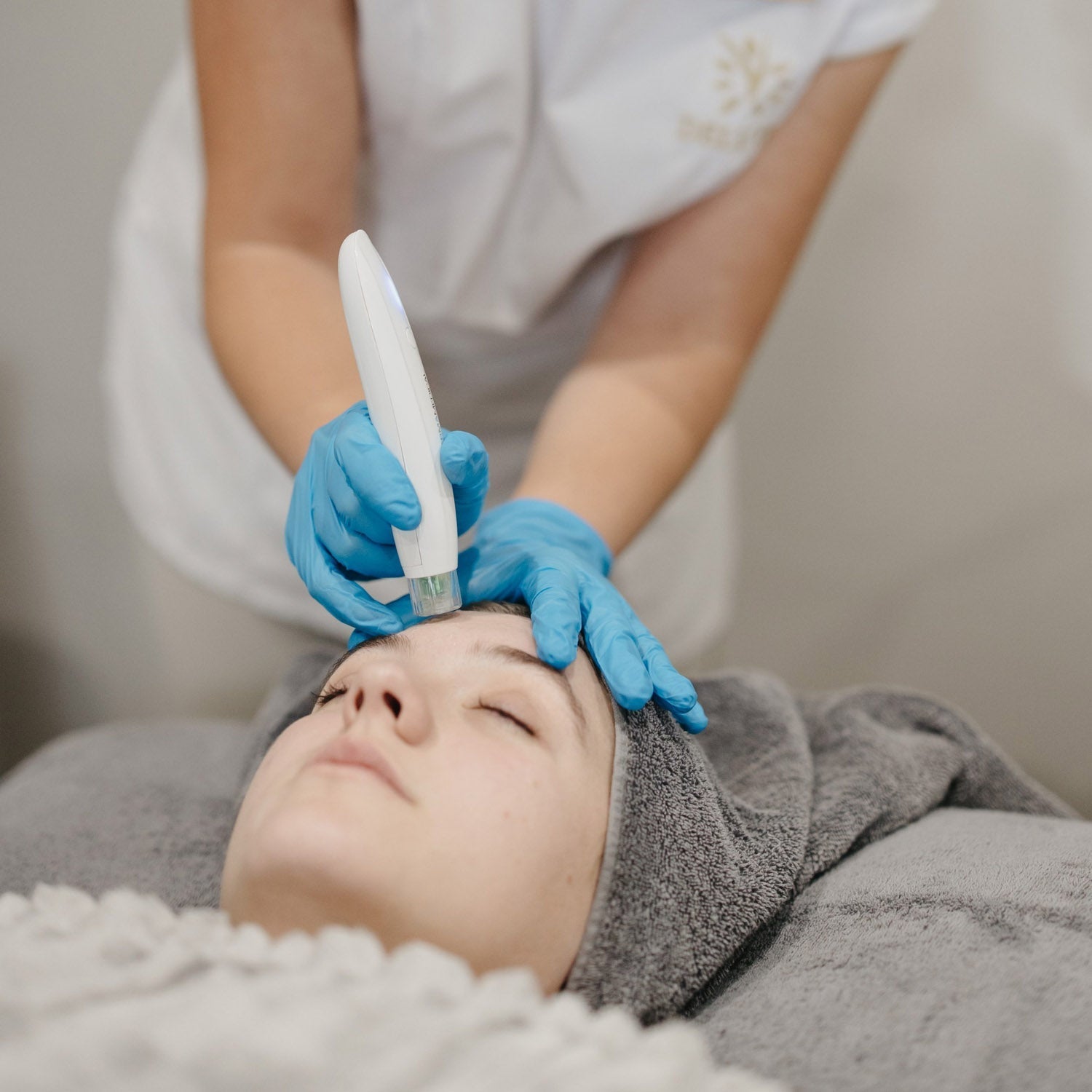
Interested in Microneedling?
If you have spent any time looking into skin rejuvenation treatments, you have almost certainly come across microneedling. It is one of the most talked-about aesthetic procedures in South Africa — and for good reason. It works.
But between the Instagram before-and-after photos, the at-home roller kits, and the growing list of treatment variations, it can be difficult to separate fact from hype. What does microneedling actually do? How much does it hurt? What kind of results can you realistically expect? And is it worth the investment?
This guide answers all of those questions. Whether you are considering your first session or trying to understand the difference between a basic derma roller and a professional-grade treatment, this is everything you need to know about microneedling in South Africa — from the science behind it to the aftercare that makes it work.
What Is Microneedling and How Does It Work?
Microneedling is a minimally invasive skin treatment that uses fine needles to create thousands of tiny, controlled punctures in the skin’s surface. These micro-injuries trigger the body’s natural wound-healing response, stimulating the production of collagen and elastin — the two proteins responsible for keeping skin firm, smooth, and youthful.
The concept is simple, but the science behind it is powerful. When the skin detects damage, it floods the area with growth factors and begins rebuilding tissue. The result is skin that is thicker, stronger, and more evenly toned than before — without the downtime or risks associated with more aggressive treatments like deep chemical peels or ablative lasers.
The Role of Collagen Induction
Microneedling is often referred to as collagen induction therapy, and that name tells you exactly what it does. As we age, collagen production slows down, leading to fine lines, loss of firmness, and uneven texture. Microneedling essentially tricks the skin into producing more collagen by creating a controlled injury that kickstarts the repair process.
This is why microneedling results improve over time. The initial healing happens within days, but the real transformation — the collagen remodelling — continues for weeks and months after each session.
Professional vs At-Home Microneedling
You will find no shortage of at-home microneedling devices — derma rollers, stamp pens, and even battery-operated gadgets. While these can offer mild benefits for product absorption, they do not come close to what a professional treatment achieves.
Professional microneedling at a clinic uses devices like the Dermapen or HydraPen, which operate at adjustable depths (typically 0.5mm to 1mm) with medical-grade precision. At-home devices are limited to shallow depths (usually 0.25mm or less) and lack the speed and control needed to stimulate meaningful collagen production.
The difference in results is significant. If you are serious about addressing scarring, pigmentation, fine lines, or skin laxity, professional microneedling is the way to go.
The Benefits of Microneedling
One of the reasons microneedling has become so popular is its versatility. It addresses a wide range of skin concerns with a single treatment modality.
Reduces Fine Lines and Wrinkles
By boosting collagen and elastin production, microneedling visibly softens fine lines and wrinkles — particularly around the eyes, mouth, and forehead. The skin becomes plumper and firmer with each successive treatment.
Improves Acne Scars and Scarring
Microneedling is one of the most effective non-surgical treatments for acne scars. The controlled micro-injuries break down old scar tissue and stimulate the growth of new, healthy skin cells. Both ice pick and rolling scars respond well, though deeper scars may require more sessions.

Evens Out Skin Tone and Pigmentation
Hyperpigmentation, sun damage, and melasma can all be improved with microneedling. The treatment promotes cell turnover and helps disperse melanin clusters, leading to a more even, luminous complexion over time.
Minimises Pore Size
While you cannot physically shrink pores, microneedling stimulates collagen around the pore walls, which causes them to tighten and appear smaller. This gives the skin a smoother, more refined texture.

Improves Skin Texture and Firmness
Rough, dull, or uneven skin texture is one of the most common concerns — and one of the areas where microneedling delivers the most noticeable results. After a course of treatments, the skin typically looks smoother, firmer, and visibly healthier.
Enhances Product Absorption
The micro-channels created during microneedling allow serums and active ingredients to penetrate far deeper into the skin than they would on their own. Many clinics apply hyaluronic acid, growth factor serums, or vitamin C during or immediately after treatment to maximise this benefit.
For a more detailed look at what microneedling can do for your skin, read our guide on what microneedling actually does.
What to Expect: Before and After Microneedling
Understanding what happens before, during, and after microneedling helps you prepare properly and get the best possible results.
Before Your First Session
-
Consultation — A professional consultation allows your therapist to assess your skin type, discuss your concerns, and recommend a treatment plan tailored to your goals.
-
Avoid sun exposure — Stay out of direct sun for at least one week before treatment. Sunburnt or tanned skin increases the risk of post-inflammatory hyperpigmentation.
-
Stop certain actives — Pause retinoids, AHAs, BHAs, and any exfoliating products for at least three to five days before your appointment.
-
No waxing or depilatories — Avoid waxing, threading, or depilatory creams on the treatment area for at least a week beforehand.
-
Arrive with clean skin — Remove all makeup before your appointment or arrive bare-faced.
During Treatment
A numbing cream is typically applied 20 to 30 minutes before treatment to minimise discomfort. The therapist then uses a motorised pen device — such as a Dermapen or HydraPen — to create controlled micro-punctures across the treatment area.
Sessions usually take 30 to 60 minutes depending on the area being treated. Most clients describe the sensation as a light prickling or vibrating feeling — noticeable but manageable.
After Treatment: What You Will See
-
Immediately after — Your skin will look red and feel warm, similar to a mild sunburn. This is completely normal and typically subsides within 24 to 48 hours.
-
Days one to three — Some dryness, tightness, and mild flaking may occur as the skin heals. Gentle hydration is key during this period.
-
Week one — Redness fades and skin begins to look clearer and more even.
-
Weeks two to four — This is when you start to notice the real changes. Skin texture improves, tone becomes more even, and any treated scars or lines begin to soften.
-
Months one to three — Collagen remodelling continues well after treatment. Results keep improving for up to 12 weeks after each session.
Microneedling Before and After: Realistic Expectations
After a single microneedling session, most people notice an immediate improvement in skin radiance and smoothness. But the most dramatic results — particularly for scarring, pigmentation, and fine lines — come after a course of three to six treatments spaced four to six weeks apart.
It is worth noting that microneedling results are cumulative. Each session builds on the last, and the collagen production triggered by earlier treatments continues to improve the skin over time.
 Is Microneedling Painful?
This is one of the most common questions — and the honest answer is that it depends on the device, the depth, and your individual sensitivity.
What Does It Feel Like?
Most clients describe microneedling as a mild prickling or scratching sensation across the skin. Certain areas — particularly the forehead, nose, and around the jawline — tend to be more sensitive than others. But with a good numbing cream applied beforehand, the discomfort is manageable for the vast majority of people.
Pain Management
Professional clinics apply a topical numbing cream (usually containing lidocaine) 20 to 30 minutes before treatment. This dramatically reduces sensation during the procedure. Modern devices like the Dermapen also offer adjustable depth and speed settings, allowing the therapist to tailor the treatment to your comfort level.
Compared to treatments like chemical peels or laser resurfacing, most clients find microneedling to be significantly more comfortable — with far less downtime.
Types of Microneedling Treatments
Not all microneedling treatments are the same. The technology and technique used can significantly affect your results.
Dermapen Microneedling
The Dermapen is one of the most widely used professional microneedling devices. It uses a disposable cartridge of fine needles that oscillate at high speed, creating precise micro-channels at adjustable depths. This is the standard for professional collagen induction therapy and is effective across a wide range of skin types and concerns.
HydraPen Microneedling
The HydraPen combines microneedling with simultaneous serum infusion. As the device creates micro-channels, it delivers active ingredients — such as hyaluronic acid, peptides, or brightening serums — directly into the deeper layers of the skin. This dual-action approach is particularly effective for hydration, pigmentation, and overall skin rejuvenation.
For more on this treatment, explore our guide on how often you should do HydraPen microneedling.
RF Microneedling
Radiofrequency (RF) microneedling adds thermal energy to the equation. The needles deliver radiofrequency waves into the deeper layers of the skin, heating the tissue and stimulating an even more intense collagen response. RF microneedling is particularly effective for skin tightening, deep wrinkles, and acne scars that have not responded fully to standard microneedling.
Derma Roller vs Professional Microneedling
A derma roller is a manual, handheld device covered in small needles that you roll across the skin. While it can mildly improve product absorption at shallow depths, it lacks the precision, speed, and depth control of professional devices. For meaningful clinical results — especially for scarring, lines, or pigmentation — a professional-grade treatment is essential.
Which Skin Concerns Does Microneedling Treat?
Microneedling is effective for a broad range of skin concerns, making it one of the most versatile treatments available.
Acne Scars
Microneedling breaks down fibrous scar tissue and stimulates new collagen to fill in depressed scars. Multiple sessions are usually needed, but the improvement can be significant — especially for rolling and boxcar acne scars.

Pigmentation and Melasma
By promoting cell turnover and collagen production, microneedling helps to break up pigmentation clusters and encourage fresh, evenly pigmented skin to surface. It is often used as part of a broader pigmentation management plan.
Ageing Skin and Fine Lines
The collagen boost from microneedling directly addresses the loss of firmness and elasticity that comes with ageing. Fine lines, crepey skin, and loss of volume all improve with regular treatments.
Stretch Marks
Microneedling can improve the appearance of stretch marks by stimulating collagen production in the affected skin. While it will not eliminate them entirely, the texture and colour of stretch marks can be noticeably softened.
Large Pores and Rough Texture
For skin that looks dull, rough, or congested, microneedling provides a reset — smoothing texture, reducing pore visibility, and restoring a healthy glow.
Microneedling Aftercare: How to Get the Best Results
What you do after microneedling is just as important as the treatment itself. Proper aftercare protects your skin during the healing window and ensures you get the maximum benefit from each session.

The First 24 to 48 Hours
-
Avoid touching your face with unwashed hands
-
Do not apply makeup for at least 12 to 24 hours
-
Avoid hot showers, saunas, steam rooms, and intense exercise
-
Skip active ingredients — no retinoids, AHAs, BHAs, or vitamin C
-
Use a gentle, fragrance-free cleanser and a hydrating serum or moisturiser
-
Apply SPF 50 sunscreen if you need to go outside
Days Two to Seven
-
Continue using gentle skincare only — no exfoliants or harsh actives
-
Keep the skin hydrated with hyaluronic acid or a soothing barrier cream
-
Avoid direct sun exposure as much as possible
-
Do not pick, scratch, or peel any flaking skin — let it shed naturally
-
Sleep on a clean pillowcase
When to Resume Normal Skincare
Most people can return to their regular skincare routine — including actives like retinol and vitamin C — after five to seven days, depending on how quickly their skin heals. Your therapist will advise you based on your specific treatment depth and skin response.
How Many Sessions Do You Need?
The number of microneedling sessions you need depends on what you are treating and the severity of the concern.
-
General skin rejuvenation and glow — three to four sessions
-
Fine lines and mild texture issues — three to six sessions
-
Acne scars and pigmentation — four to eight sessions
-
Deep scarring or significant sun damage — six to ten sessions
Sessions are typically spaced four to six weeks apart to allow the skin to complete its healing and collagen remodelling cycle between treatments.
After your initial course, maintenance sessions every three to six months help sustain results and continue building collagen over the long term.
How Much Does Microneedling Cost in South Africa?
Microneedling prices in South Africa vary depending on the clinic, the type of treatment, and the area being treated. Here is a general overview:
-
Standard microneedling (face) — typically the most accessible price point per session
-
HydraPen microneedling — slightly higher due to the infusion serums used during treatment
-
RF microneedling — the most premium option, reflecting the advanced technology involved
-
Package deals — most clinics offer discounted rates when you commit to a course of treatments, which is the most cost-effective approach since multiple sessions are needed
When comparing microneedling prices, consider the device being used, the experience of the therapist, and what is included in the session (numbing cream, post-treatment serums, aftercare products). A professional treatment with medical-grade equipment will always deliver better results than a budget alternative.
Browse the full microneedling treatment options and pricing to see what is available at Deluxe Laser & Spa.
How to Choose a Microneedling Clinic
Not all microneedling clinics deliver the same quality of treatment. Here is what to look for:
-
Professional-grade devices — Ask what equipment the clinic uses. Devices like the Dermapen and HydraPen are the gold standard. Avoid clinics using cheap, unregulated devices.
-
Qualified therapists — Microneedling should be performed by trained, experienced aestheticians or skin therapists. Ask about their qualifications and how many treatments they have performed.
-
Thorough consultation — A reputable clinic will conduct a skin assessment, discuss your goals, and recommend a treatment plan before you commit. Be wary of clinics that skip this step.
-
Hygiene and safety — Disposable needle cartridges, sterile equipment, and a clean treatment environment are non-negotiable.
-
Transparent pricing — No hidden costs, clear package options, and realistic expectations about the number of sessions needed.
-
Convenient locations — Since microneedling requires multiple sessions, proximity matters. Deluxe Laser & Spa has branches across South Africa, making it easy to maintain your treatment schedule.
Microneedling vs Other Skin Treatments
Wondering how microneedling compares to other skin rejuvenation options? Here is a quick comparison.
Microneedling vs Chemical Peels
Chemical peels remove the outer layer of skin using acid solutions. They are effective for pigmentation and texture but can cause more downtime and carry a higher risk of irritation for sensitive skin types. Microneedling achieves similar results through collagen stimulation rather than chemical exfoliation, with generally shorter recovery.
Microneedling vs Laser Treatments
Laser treatments use light energy to target specific skin concerns. While lasers can be highly effective, they tend to be more expensive, carry a higher risk for darker skin tones, and involve longer recovery. Microneedling is safe across a wider range of skin types and offers excellent results with less downtime.
For a detailed comparison of hair removal methods, read our guide on laser hair removal vs waxing vs shaving.
Microneedling vs Dermal Fillers
Dermal fillers add volume to specific areas of the face. Microneedling, on the other hand, improves the skin itself — its texture, tone, and firmness. The two are complementary rather than competing treatments, and many people benefit from both.
Frequently Asked Questions
What is microneedling?
Microneedling is a minimally invasive skin treatment that uses fine needles to create controlled micro-injuries in the skin. These tiny punctures trigger the body’s natural healing response, stimulating the production of collagen and elastin. The result is smoother, firmer, more even-toned skin over time.
What are the benefits of microneedling?
Microneedling benefits include reducing fine lines and wrinkles, improving acne scars and pigmentation, minimising pore size, smoothing skin texture, and enhancing the absorption of skincare products. It is one of the most versatile skin rejuvenation treatments available.
Is microneedling painful?
Most people describe microneedling as a mild prickling sensation. A numbing cream is applied before treatment to minimise discomfort. Sensitive areas like the forehead and nose may feel more intense, but the procedure is well-tolerated by the vast majority of clients.
How long does it take to see microneedling results?
You may notice an immediate glow after your first session, but the most significant improvements appear over weeks and months as collagen remodelling takes place. A course of three to six sessions, spaced four to six weeks apart, delivers the best results for most skin concerns.
What does microneedling before and after look like?
After a single session, skin typically looks brighter and smoother. After a full course of treatments, clients see noticeable improvements in scarring, pigmentation, fine lines, and overall skin texture. The skin appears firmer, more even, and visibly rejuvenated.
How much does microneedling cost in South Africa?
Microneedling prices in South Africa depend on the type of treatment (standard, HydraPen, or RF microneedling), the area being treated, and the clinic. Package deals that include multiple sessions offer better value than individual treatments.
Is microneedling safe for all skin types?
Yes, microneedling is safe for most skin types and tones. Unlike some laser treatments, it does not rely on targeting pigment, which makes it a suitable option for darker skin tones. A consultation with a qualified therapist will determine the best approach for your specific needs.
Ready to Transform Your Skin?
If you have been looking for a treatment that delivers real, lasting improvements to your skin — whether it is fine lines, acne scars, pigmentation, or simply dull, tired-looking skin — microneedling is one of the most effective options available. And with each session building on the last, the results only get better over time.
Deluxe Laser & Spa offers professional microneedling treatments using advanced Dermapen and HydraPen technology across multiple branches in South Africa. Whether you are booking your first session or continuing your skin journey, the team is ready to help you find the right treatment plan.
View microneedling treatments and pricing or find your nearest Deluxe Laser & Spa branch to book your consultation today.


